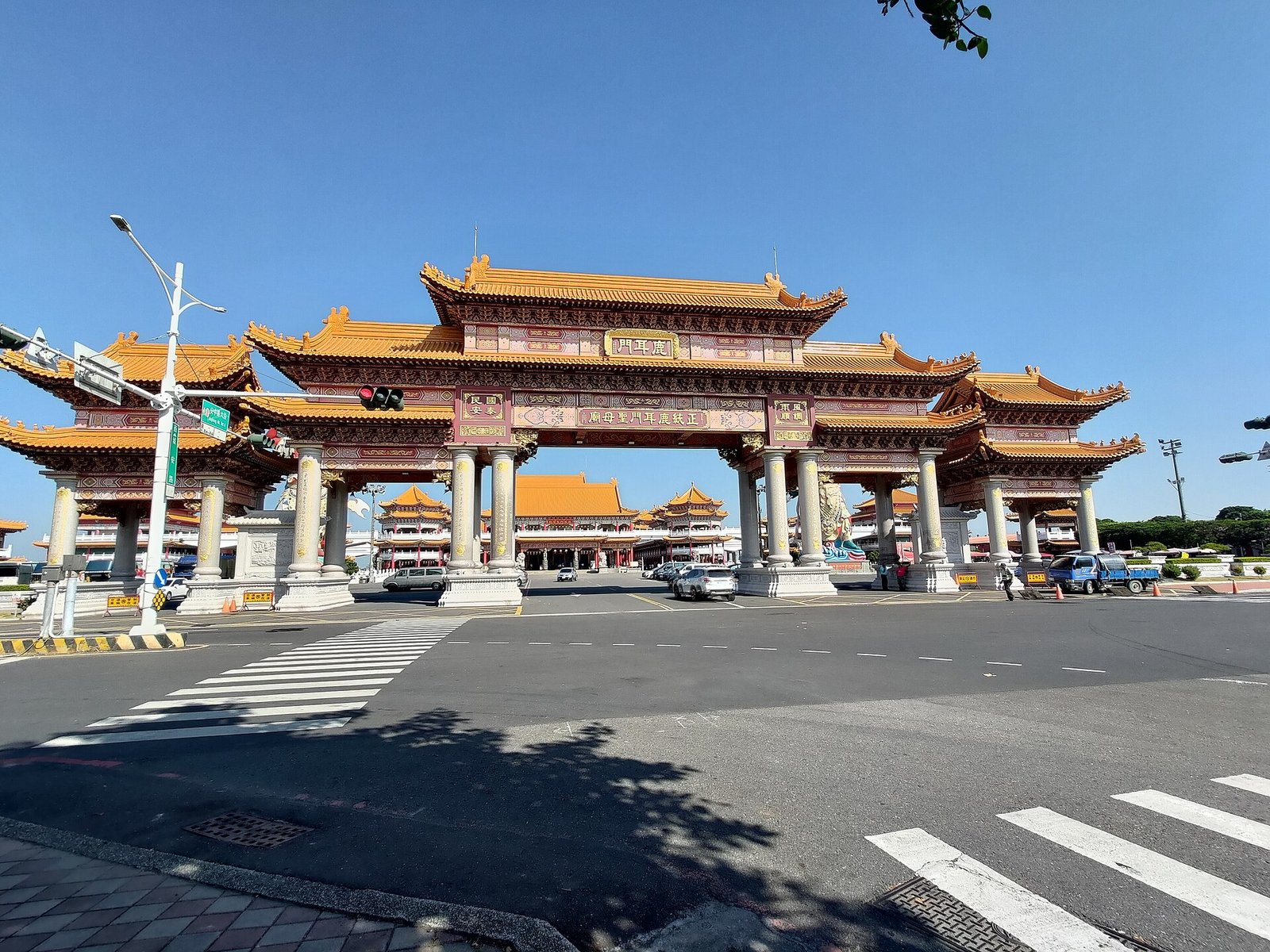
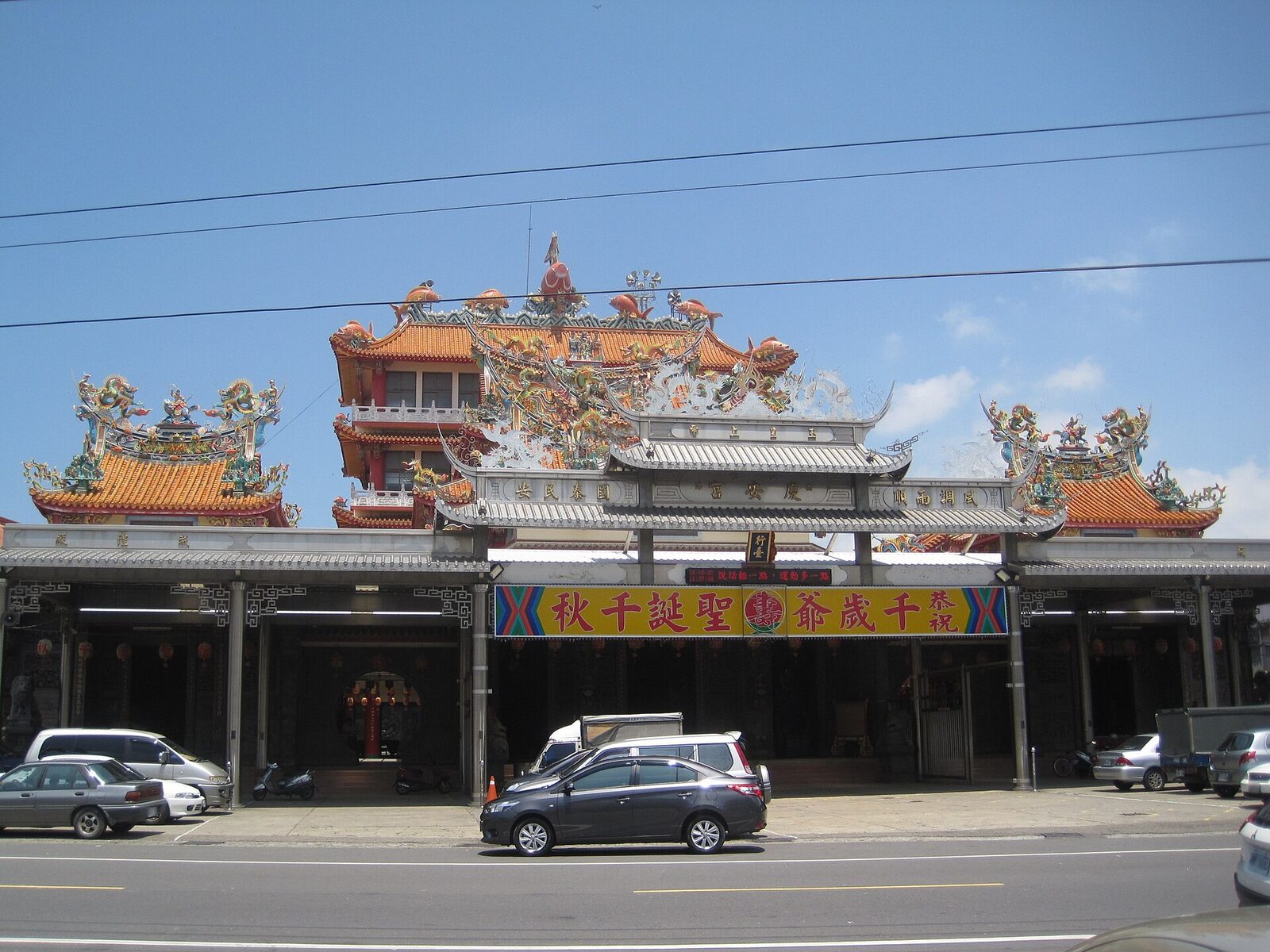
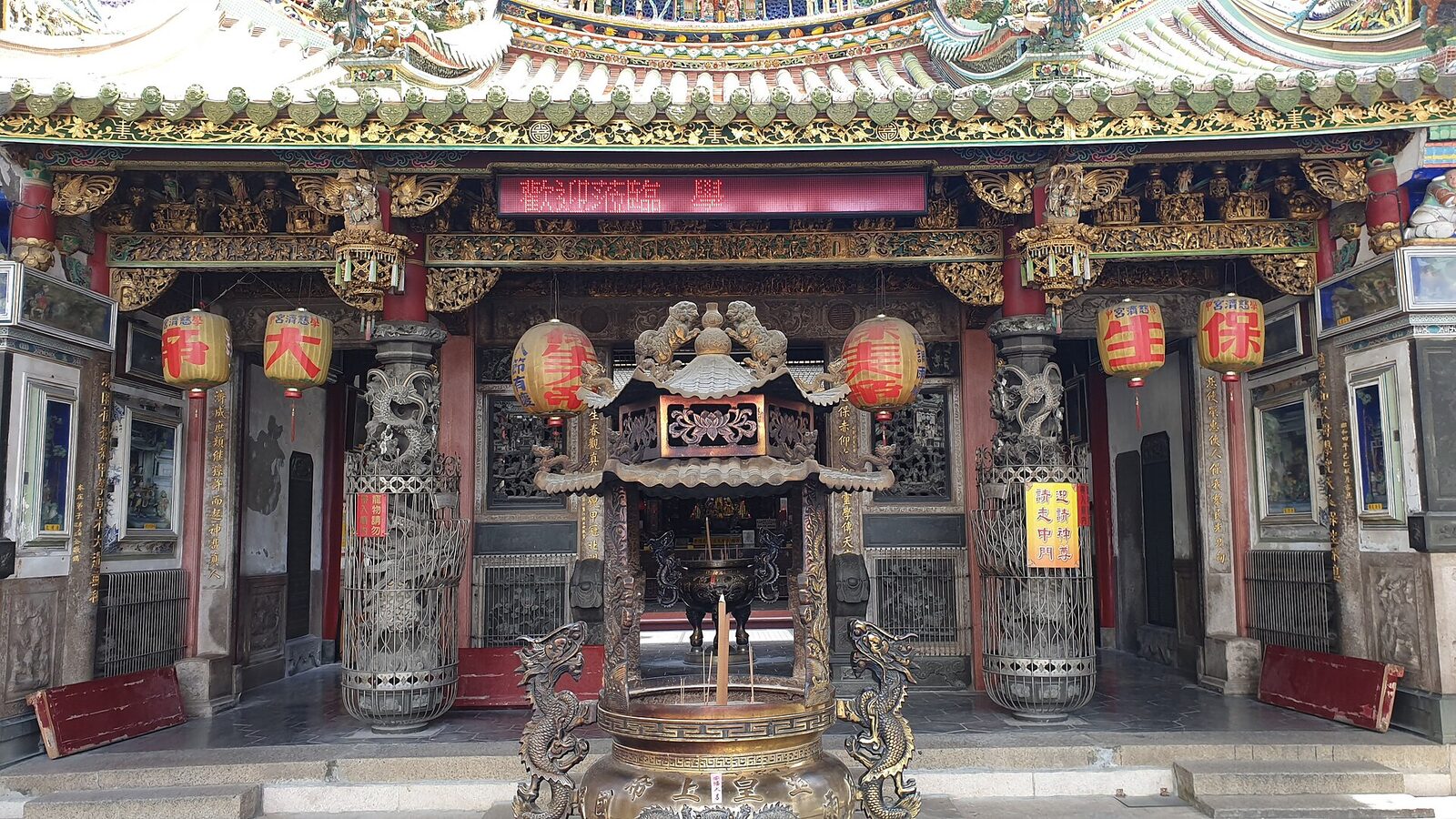
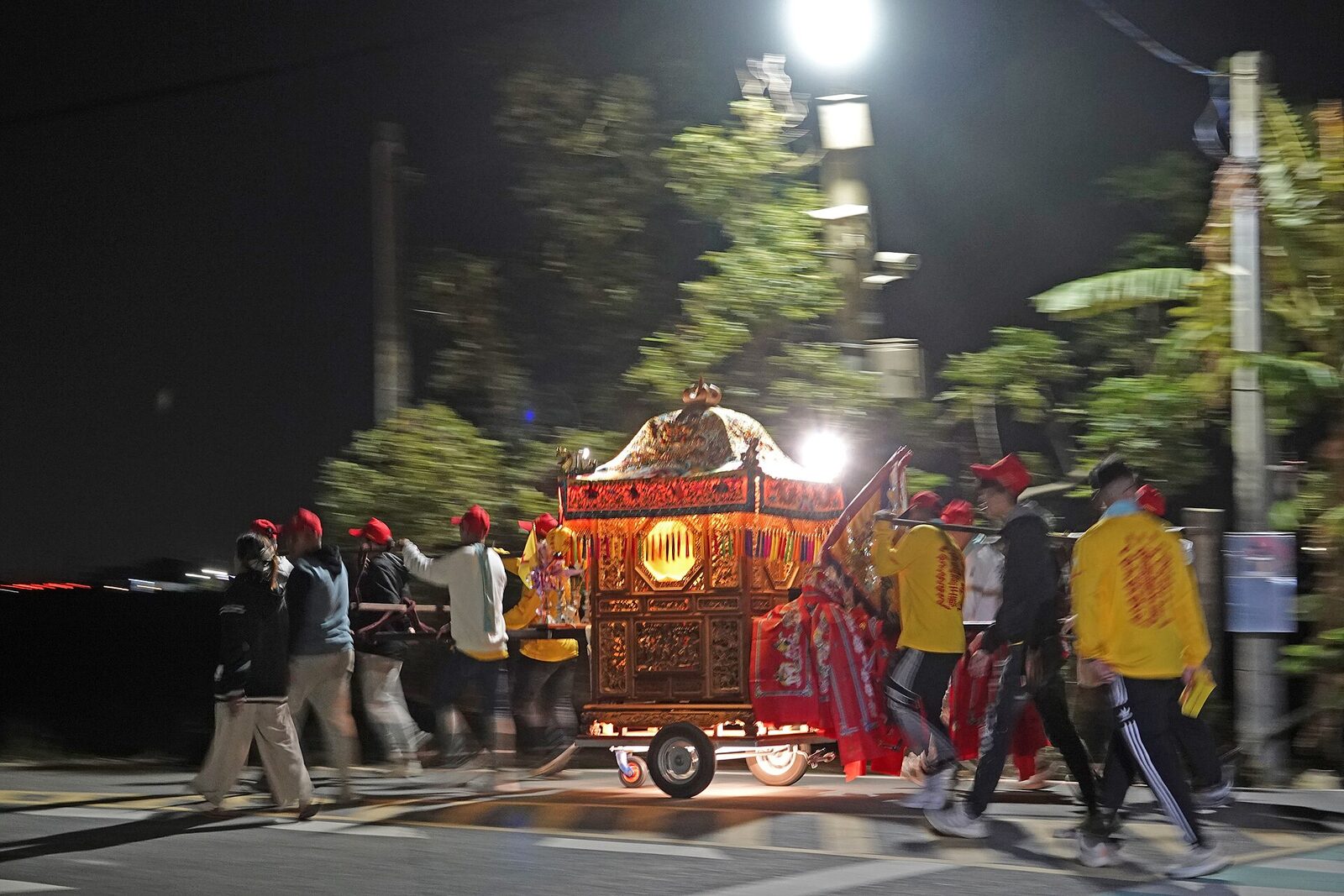
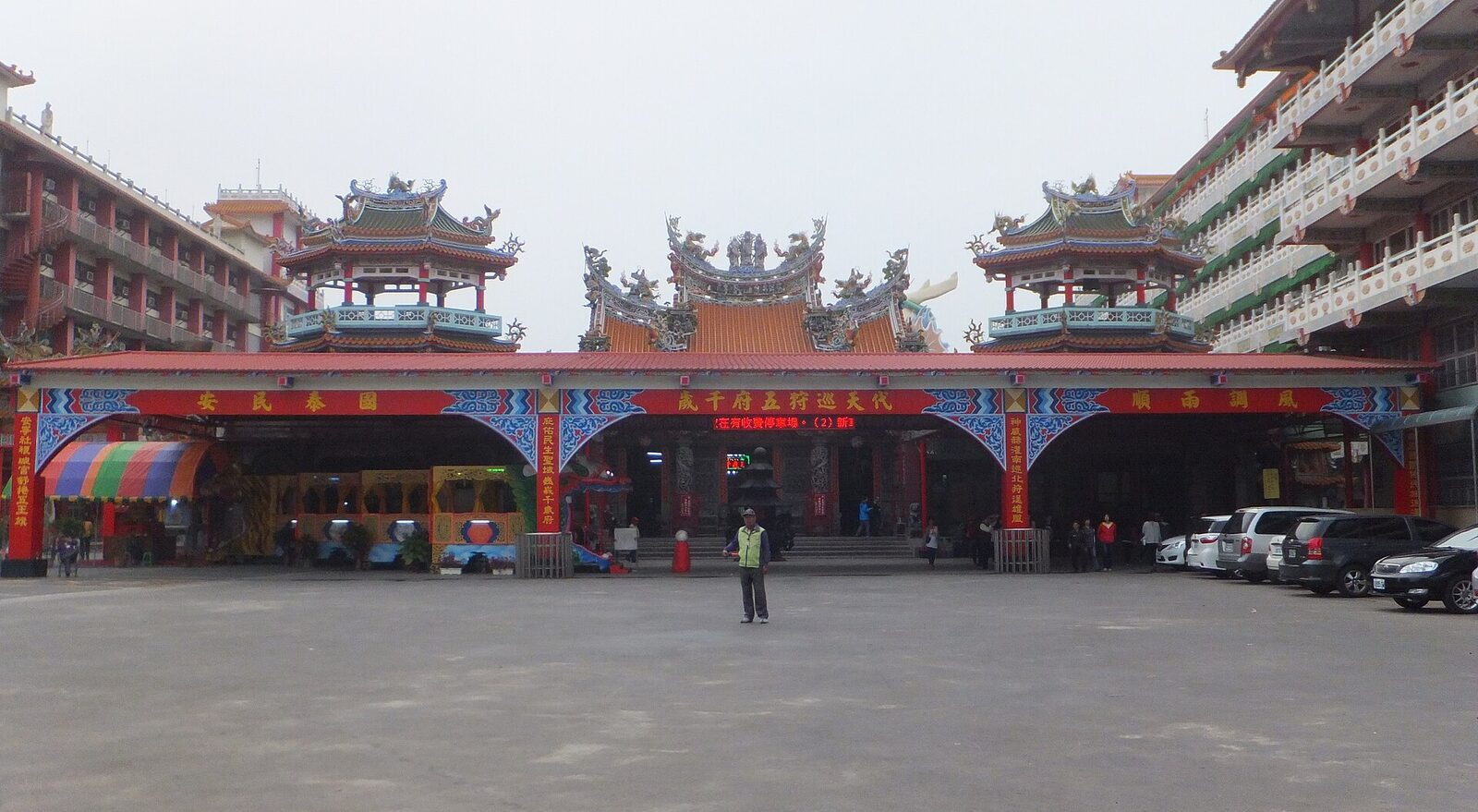
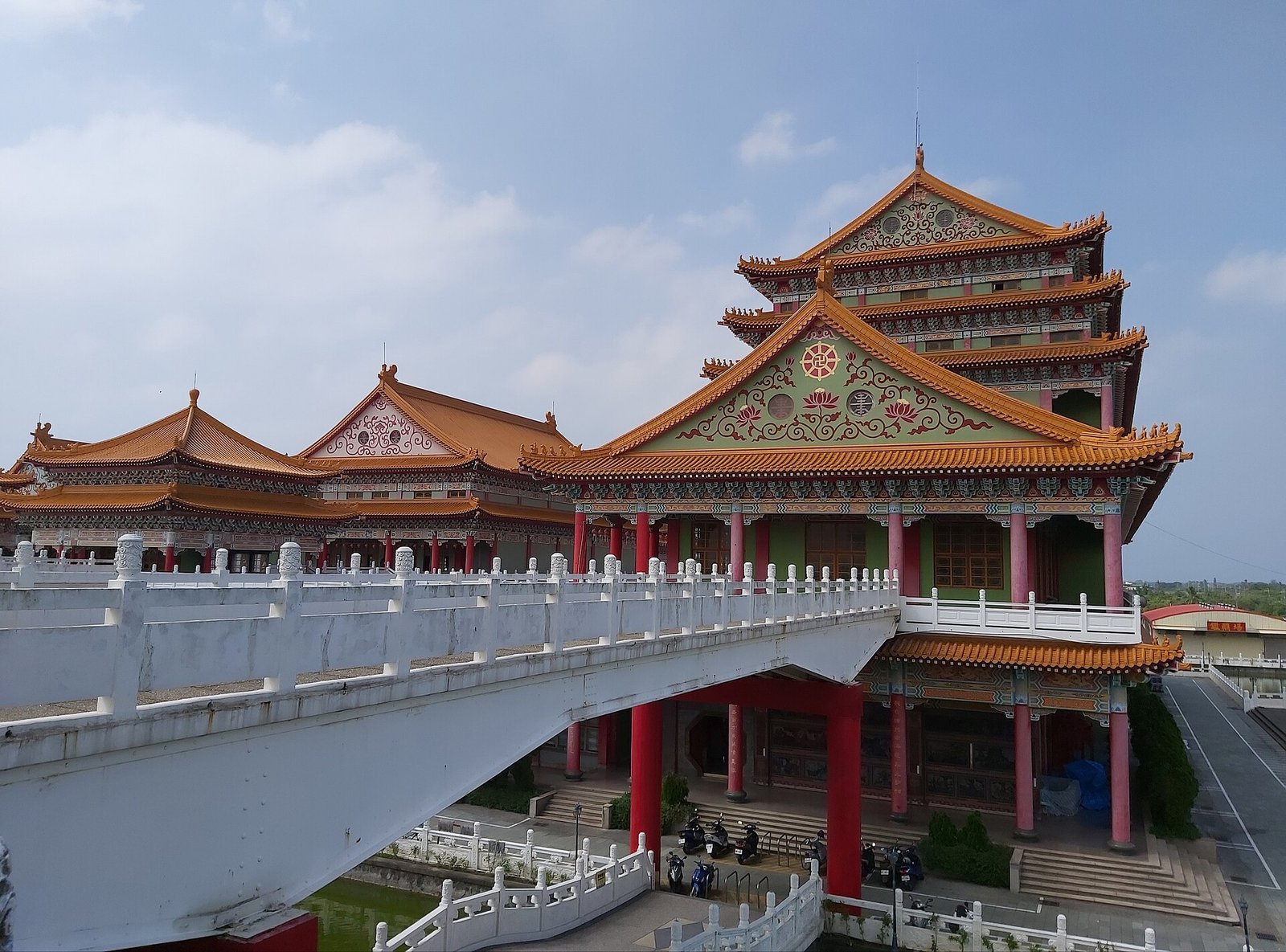
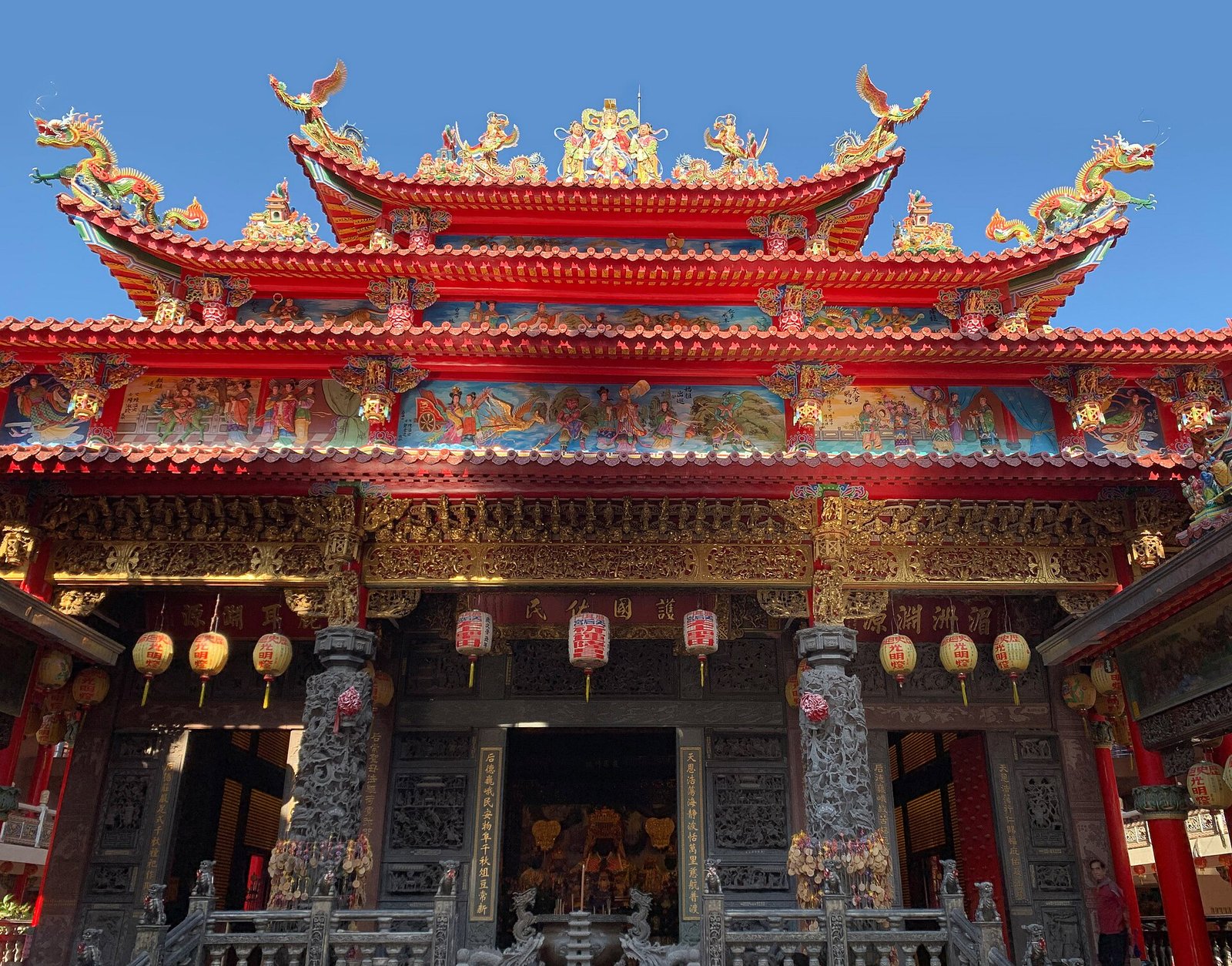
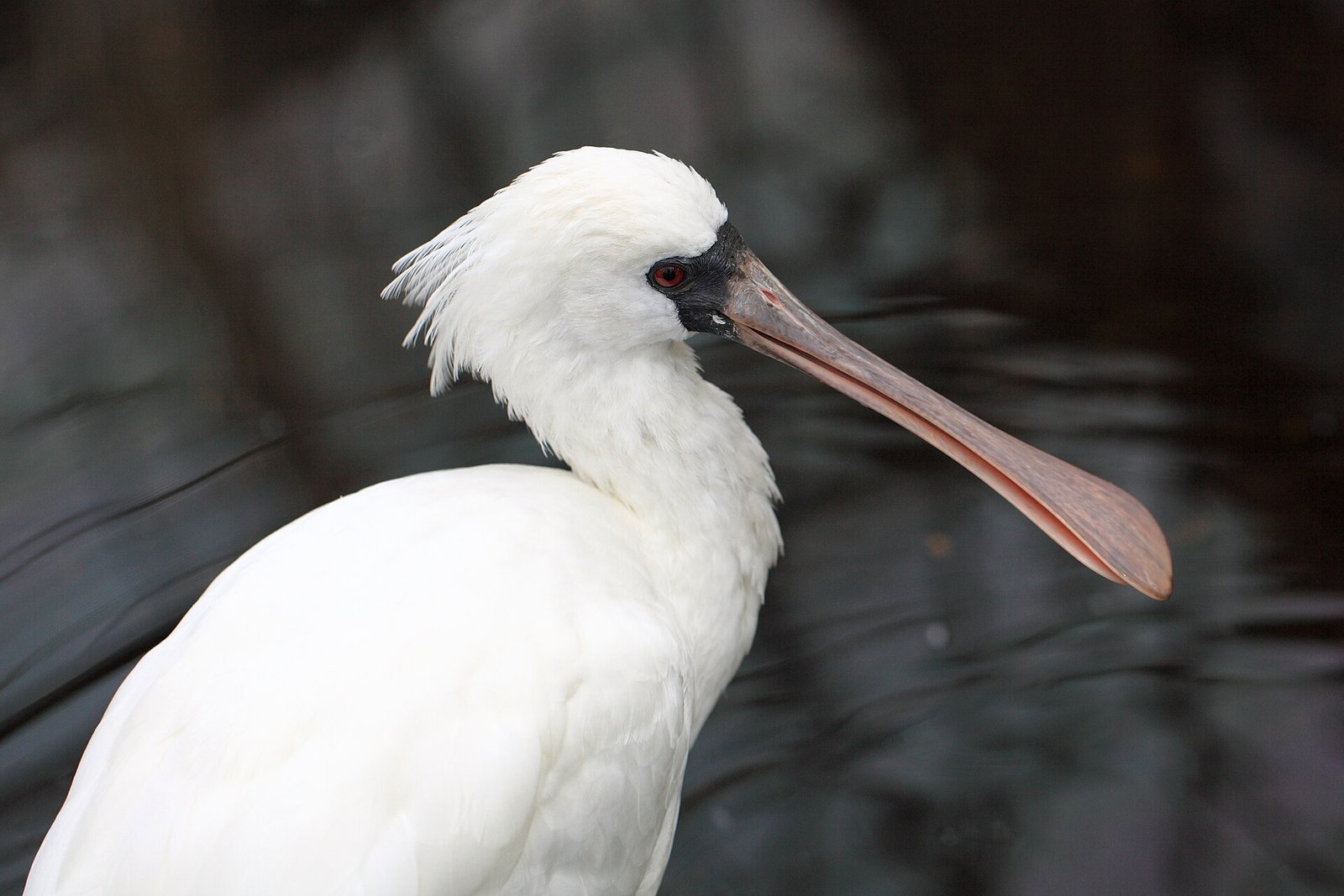
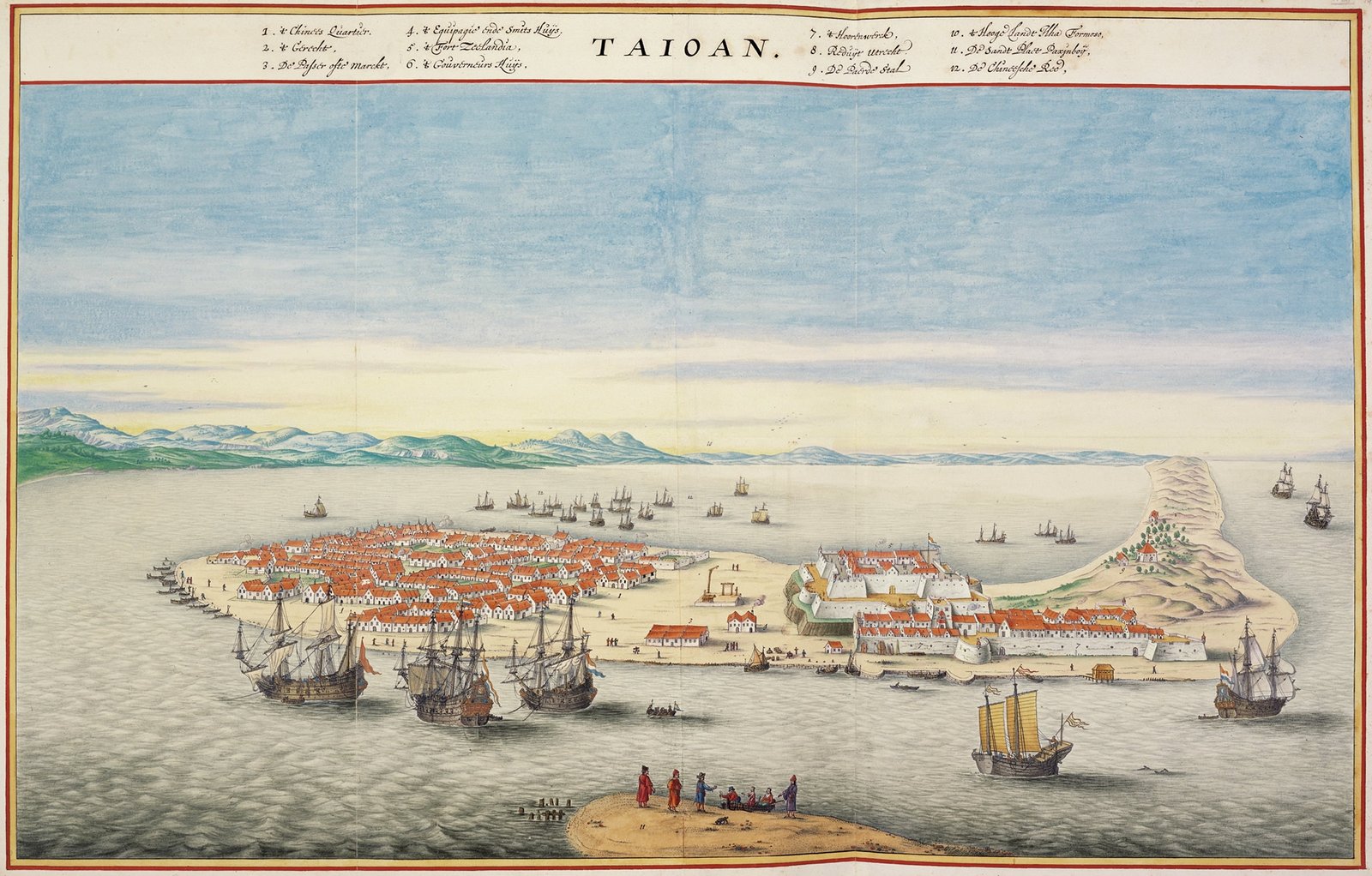
Four hundred years of Taijiang, from sea to land. The Dutch raised forts on the sandbars; Koxinga sailed in through Luermen; one great flood in 1823 turned the sea into fields. Temple incense burns across the Five Great Processions of Nanying; on mangrove and sandbar, the spoonbills return each winter.
2026 Seawalls, offshore breakwaters and the harbor zone fixed the coastline; Tucheng lies between the national park's terrestrial core and the Chengxi Windbreak Forest.
Schematic, not precise map data
What kind of place is Tucheng
Land that rose out of the sea
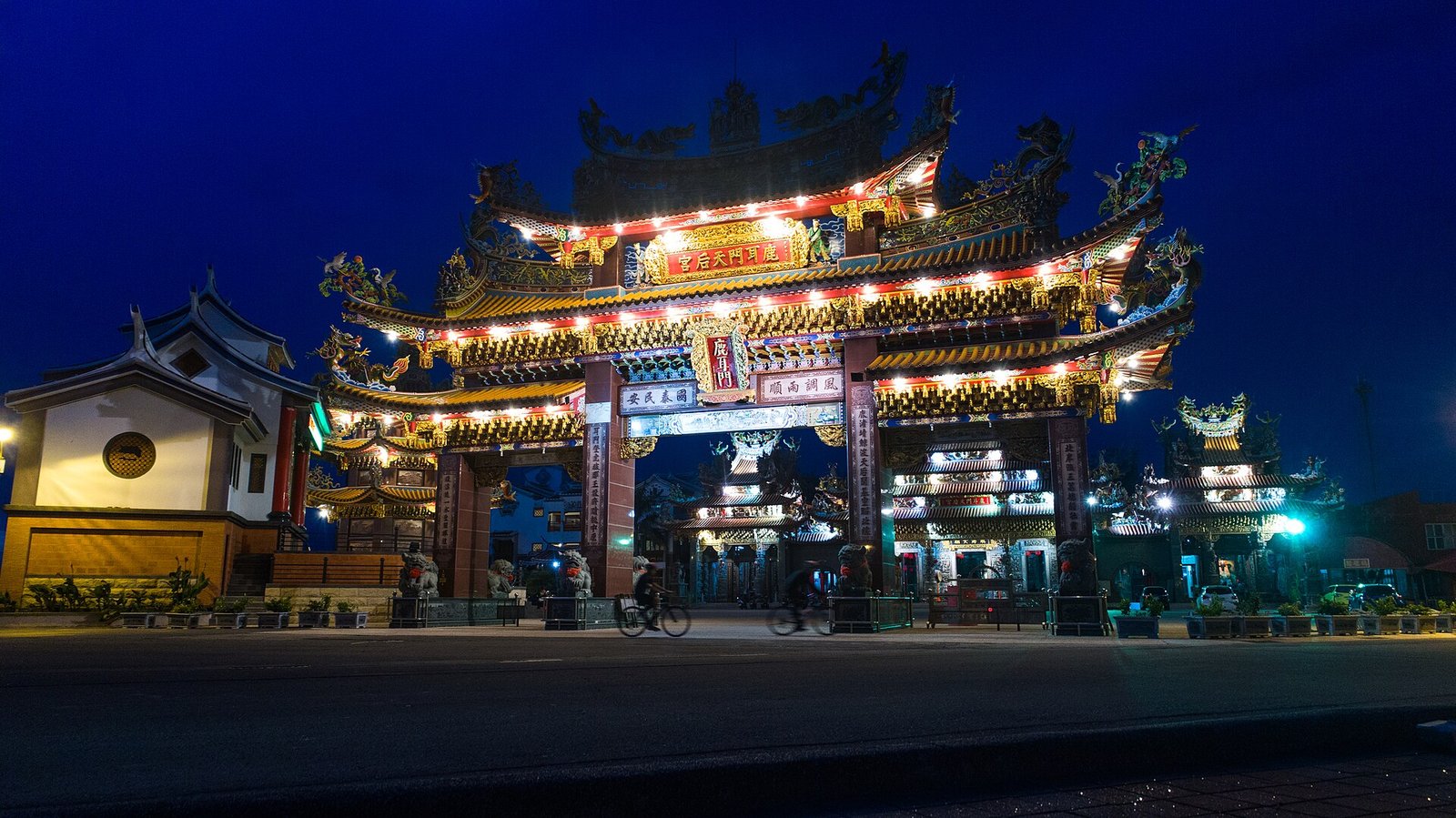
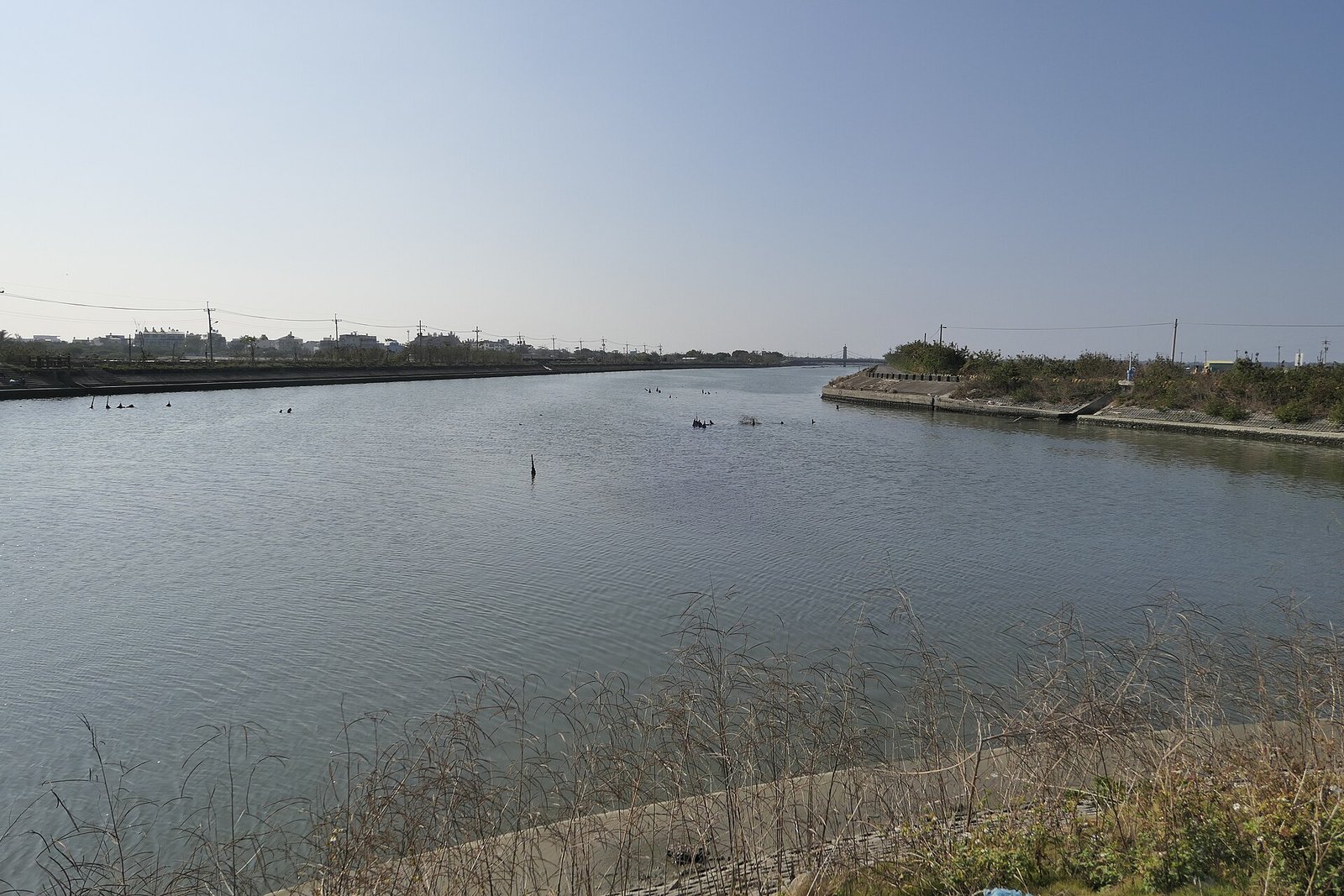
Taijiang was once a broad inland sea. The Dutch built a fort on Beishanwei; Koxinga, Prince of Yanping, sailed in through Luermen. In 1823 (the third year of Daoguang) floodwaters laden with sand turned the sea into land, and the villages of Tuchengzi, Sicao and Mazugong grew up one after another on the newly risen flats. Today the incense of the Luermen Mazu temples still burns, the Five Great Processions of Nanying continue cycle after cycle, mangroves shade the water, and each winter the black-faced spoonbills return south.
Tucheng today has, on one side, Lantern Festival fireworks and night markets on the temple squares, and on the other, Taijiang National Park, the Chengxi Windbreak Forest, and fish farm ponds. Every year thousands of egg-carrying land crabs cross the roads beneath the windbreak forest on their way to the sea; in winter, black-faced spoonbills stop over at the fish ponds and wetlands.
Five Great Processions of Nanying
Five processions, one living tradition
The processions of Xuejia, Xiaolong, Xigang, Madou and Tuchengzi are known together as the Five Great Processions of Nanying; Zhijianong is sometimes called the sixth. The Tuchengzi Xiang follows the rites of Xigang; its first cycle was held in 1961.
Offer a stick of incense to the Five Great Incense Processions
Choose a burner and tap once to place a stick of incense. Each stick burns out after fifteen minutes, and each burner holds up to a thousand sticks. Sincerity is what counts.
Tuchengzi Incense Procession burner 0/1000 sticks | All five burners: 0 sticks
Burning joss paper
Burn joss paper for the Five Great Incense Processions
Choose a furnace and step up to its mouth, put in joss paper, and set it alight. The fire rises and falls with the paper inside; once the ash fills up, wait for the fire to die down and sweep it out before burning more.
Cast the moon blocks
Give it a toss
Just for fun; for a real answer, ask at the temple.
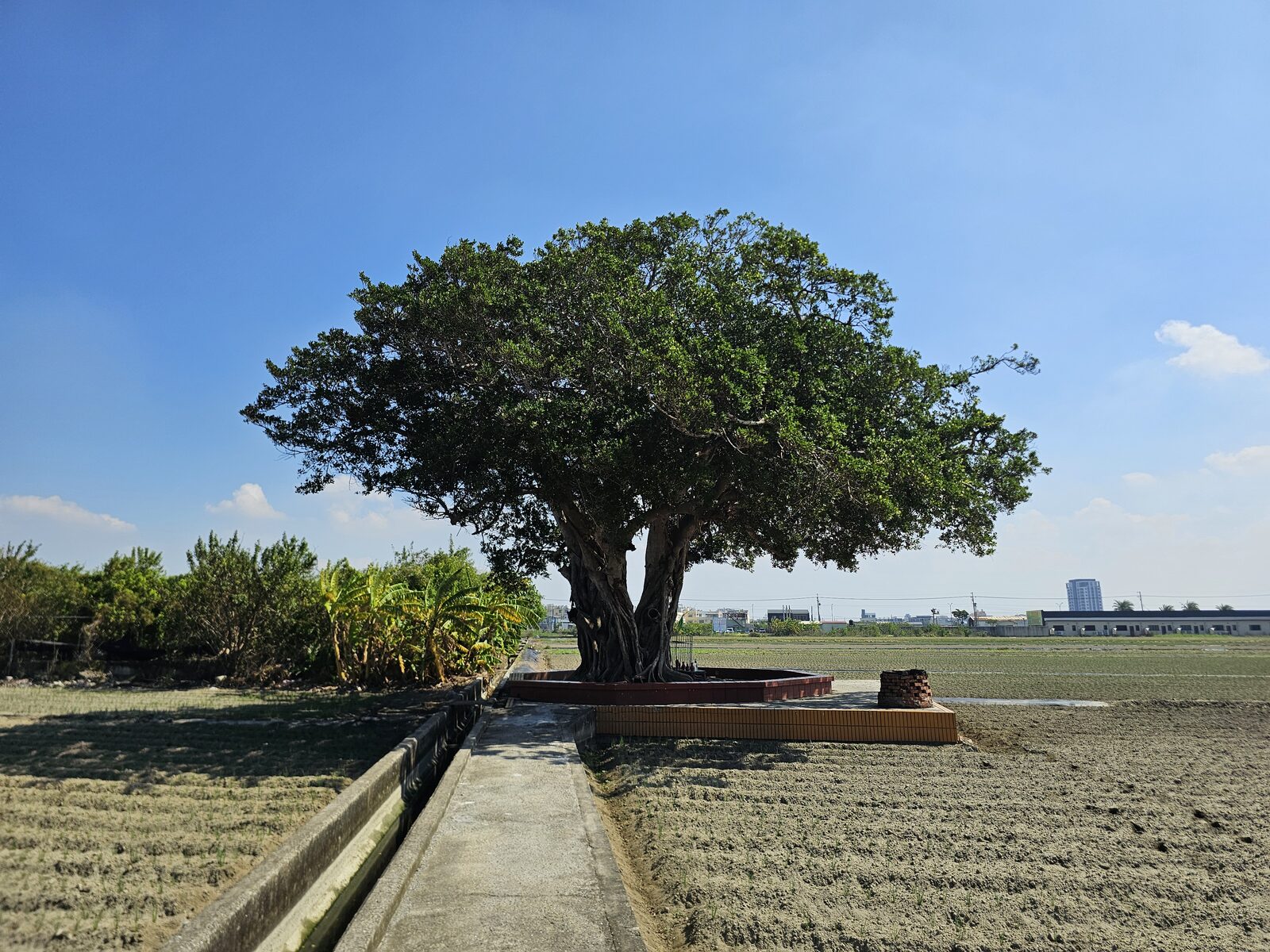
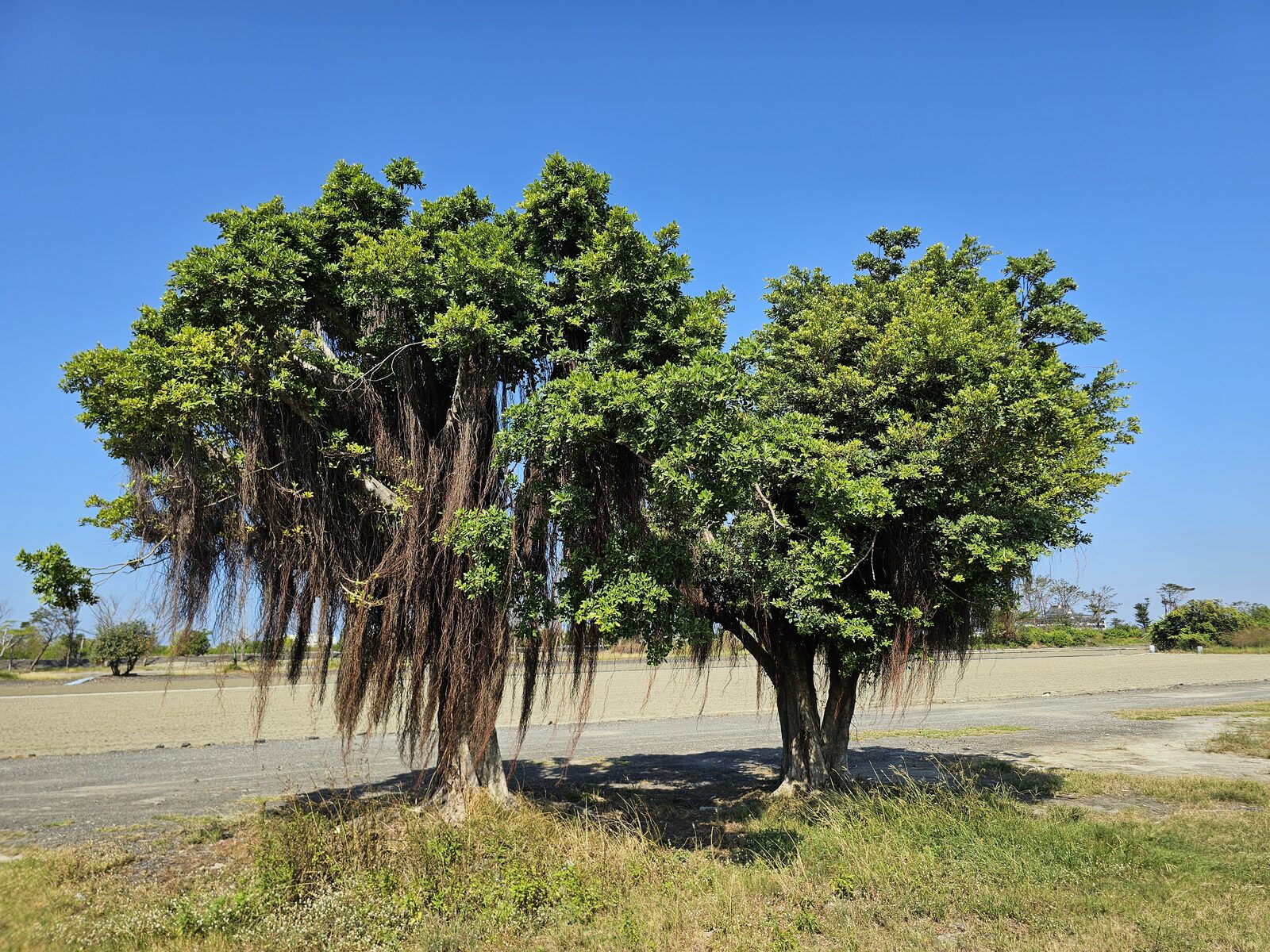
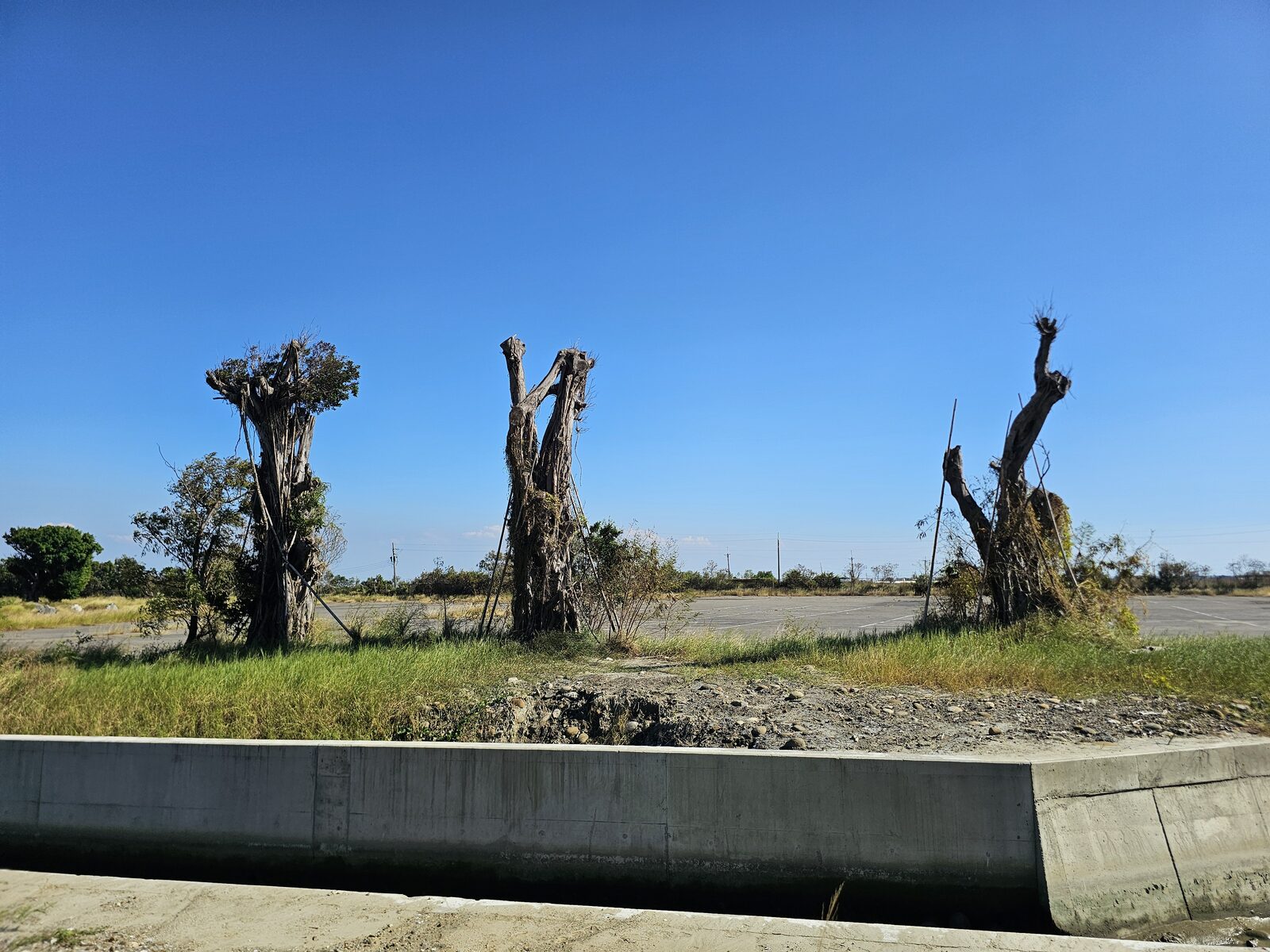
Only two old trees on the register, yet one walk recorded more than thirty
On Tainan City's register of listed old trees, the five villages of Tucheng have only 2. Two days of walking on site recorded more than thirty, one by one, at intersections, on temple squares, and in the middle of fields; most are not on any register, and even those reduced to stumps were recorded.
The author grew up in Shalunjiao, Tucheng, and works as an engineer in the technology industry, experienced in building and deploying websites. Having grown up on this land, the author wanted to use that expertise to give something back to home, and so compiles the material and runs this site unpaid, in spare time.
The scope centers on Tucheng and extends to the five great incense processions of Nanying and the Taijiang coast:
Annan District: the Tucheng-a incense procession, Luermen, Sicao and Taijiang National Park.
Xigang District: the Xigang incense procession.
Jiali District: the Xiaolong incense procession.
Xuejia District: the Xuejia incense procession (Shangbaijiao).
Madou District: the Madou incense procession.
Anping District: Anping's temples and their ties with the Luermen Mazu.
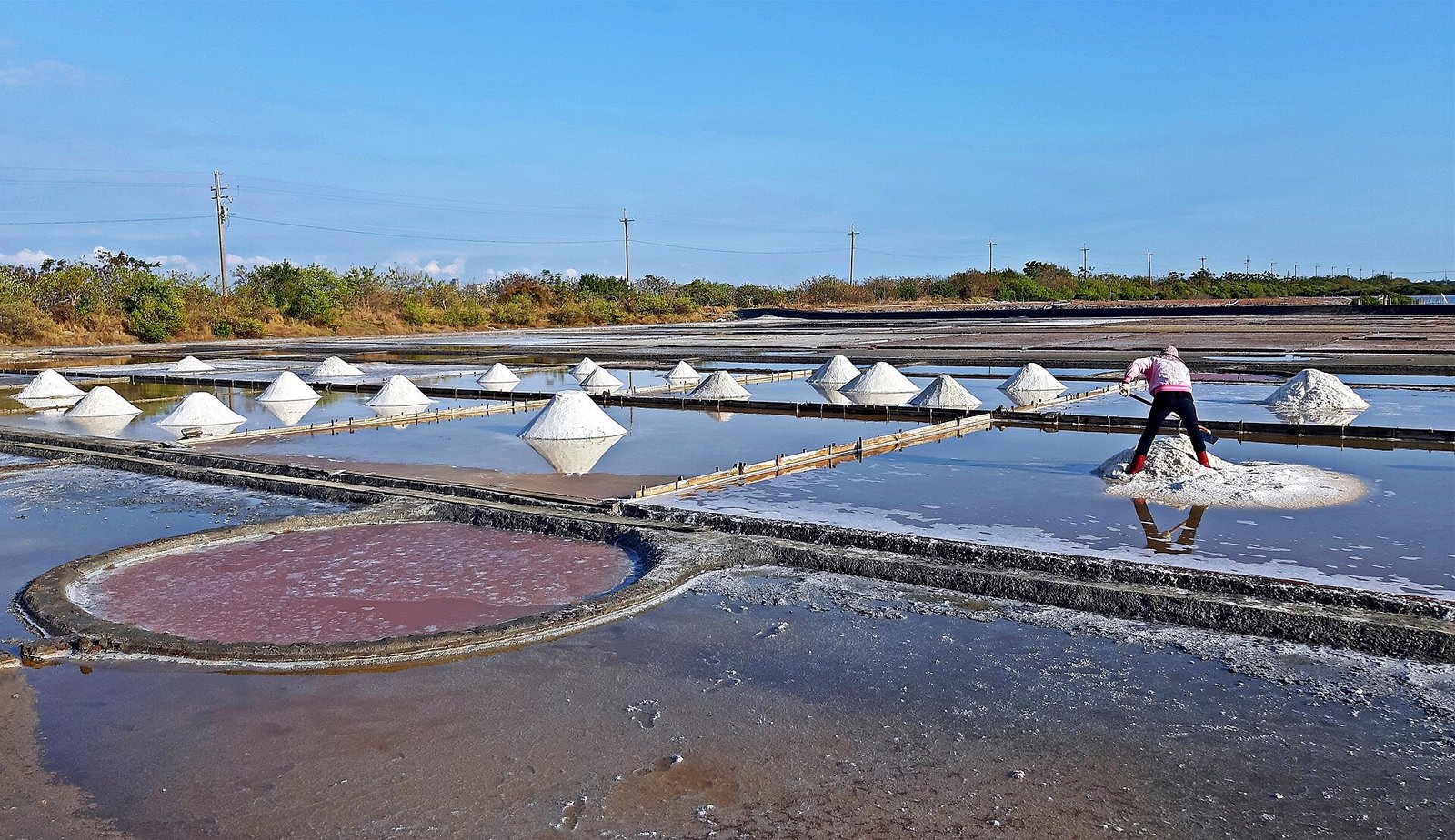
Qigu, Jiangjun and Beimen: salt fields, lagoons and coastal settlements.
This site accepts no sponsorship, advertising or private promotion; its content is compiled only from documented sources and the author's local experience. Omissions and errors are inevitable, and readers from the community and beyond are warmly invited to offer guidance and suggestions, with the author's thanks for their patience.